Showing posts with label Our City Our Words. Show all posts

Monday, June 14, 2010

Viewing Log #46: Collecting returns [5/17/10 - 6/13/10]

by Ryland Walker Knight


—What do I know?

Yesterday, a friend told me I ought to bring back the Viewing Log. As a result of this flattery, I do plan on it. But, as you can see, this is the second log in a row where I won't run down what, exactly, I watched. This time, however, it's both because I haven't been watching much and also because I haven't been keeping track. Been trying, with varying degrees of success, to simply enjoy watching things. Not everything's something to take note of; or, not everything's something.

To get naked on this dance floor: the whole blogging experience has turned into something I don't necessarily relish. Not because I make more money at my "real job" nor because I'm too tired to keep it up as a result of such work but just because I feel a door shut a while ago and now it's (the 'sphere is) a closed room full of loud voices talking about the most boring topics imaginable with not enough levity and not enough intelligence. Put otherwise, I stopped reading a lot of/on the 'net. For the most part. I still spend too much time "surfing," but I've begun to rediscover real paper-bound books in a serious way. For example, I've bought more books than movies (or movie stubs) this year and I've probably read about 85% of them. There is a backlog, despite my tendency to read five things at once, and I plan on bumping that number up—though it might go down if I stumble upon the right thrift store book section. This is not a novel idea: it plain feels better to not sit with this black box on my chest or my lap or the table and instead hold a book and a beer in the afternoon. My eyes love me more, my brain feels better, I get less angry at useless targets. You may have noticed that I still use twitter*, still tweet (and I've even started to use tumblr, to tumble), but I stopped following more than half the people I followed on twitter because, rather simply, it made sense for my life.**

Another part of the shift has been to writing things besides film criticism because, when it gets down to it, I am sick of all that. Not that I've outgrown it, but I don't get much from it either in terms of entertainment or in terms of edification, though posts like this one by Mubarak today are pretty great—but great because they're rare. I still plan on writing about movies from time to time (especially if somebody wants to pay me to do that), but I don't know anymore what, exactly, this purpose serves. Take, for example, that recent bit on Varda that I wrote. It was fine. I appreciate that people appreciated it (and by extension me). But I didn't get too-great a thrill writing it (in fact, it caused me more stress than pleasure, as can happen all too often), and I don't know if it helps people understand her any better; I just hope it was fun to read. That's all I really want to offer, when it comes down to it: some fun times with words. I don't really know anything. Or, I don't know anything you can't know. I just know how to string some words together in unusual ways. Generally speaking, I'm not in this mix to prove anything. In fact, I like being mostly ignorant of a lot of stuff. It's something like a maxim that these blind spots simply mean I've got more goodies ahead. And that's the only kind of life I want to lead: ready for what's next, and excited. Even if I settle into a family routine some day down the line I hope to meet every day ready for something new. It should be obvious one of the books I've bought in 2010 is Deleuze's Difference and Repetition. And that I dig it.


But enough about me me me. What about some movies. I still love the movies. We still love the movies! Don't we? For example, I'm stoked to see the above-cited Bluebeard at ybca this coming weekend (more here), and the second-to-newest Oliveira with that great title, Eccentricities of a blonde hair girl, the following weekend. And, as Brian has blogged (scroll to the bottom for a schedule, but read the whole thing, duh; I did), there's a bunch of Mizoguchi up at Viz Cinema that I'll try to take in one way or another. That's just to round out June. In July there's the Silent Fest (more coming) and a new PFA calendar and a bunch of those movies I loved at SFIFF coming to a SF theatre near you. I'm getting exciting just typing this. Expect more, but not too much more, soon.


* Danny urges me to quit twitter altogether, but, as I tumbled (shudder), I like the challenge of the medium. I may not make everybody laugh the way, say, Conan can, but I do enjoy that it's mostly a place for me to try out text-based jokes. I should add that this, too, is not a novel idea.

** Worth noting: I quit facebook and that's cleared a lot of mental space, lifted a lot off my brain. And, really, do you want most of your social interactions (over-) determined by some website? It doesn't feed you; it's not even a beautiful representation of your life; just an informational one; it's simply a device; a device for pain as much as pleasure (what doesn't straddle that, I hear you saying) and a device for more false flattery and more false avenues to debase legitimate communication. Again, not a novel idea.

Friday, February 12, 2010

Our City Our Words: Adam's presentation

by Ryland Walker Knight


licorice

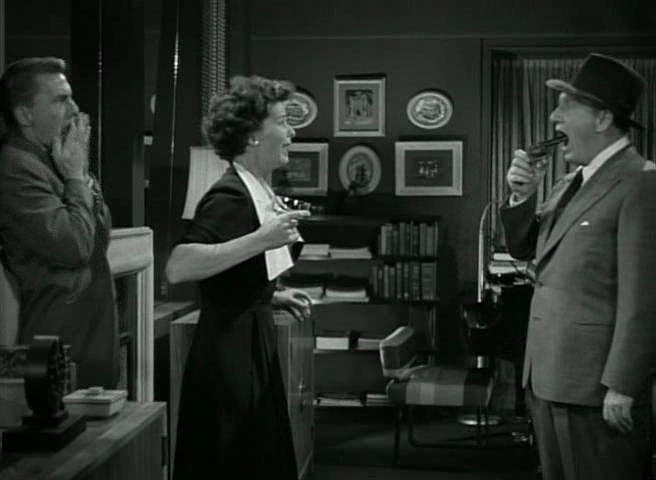
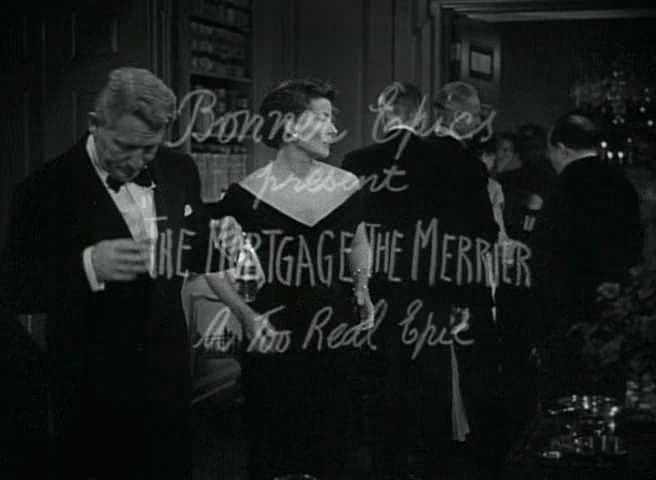
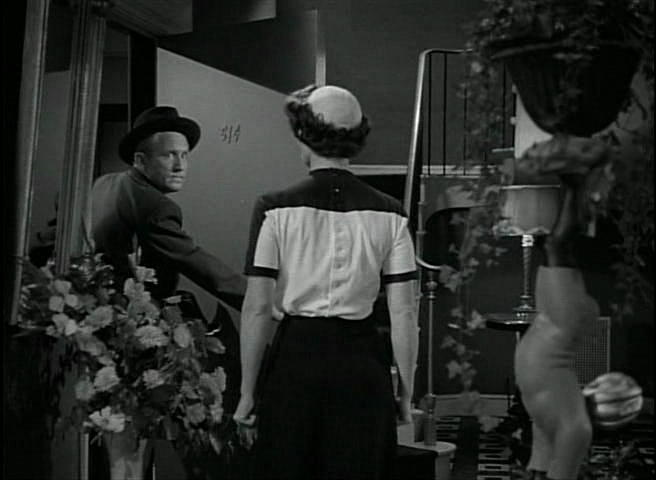
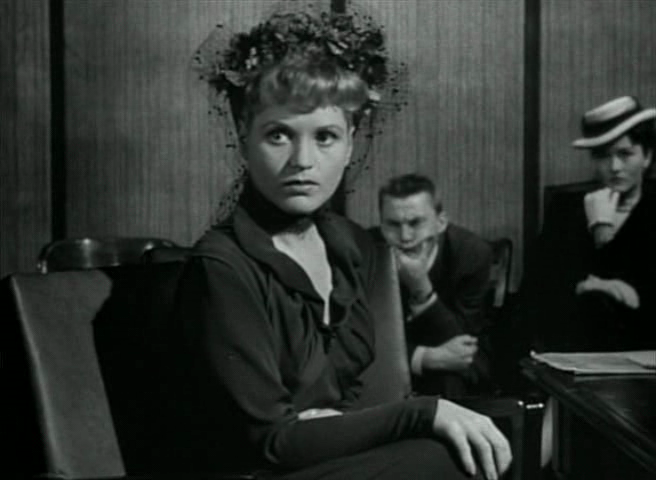
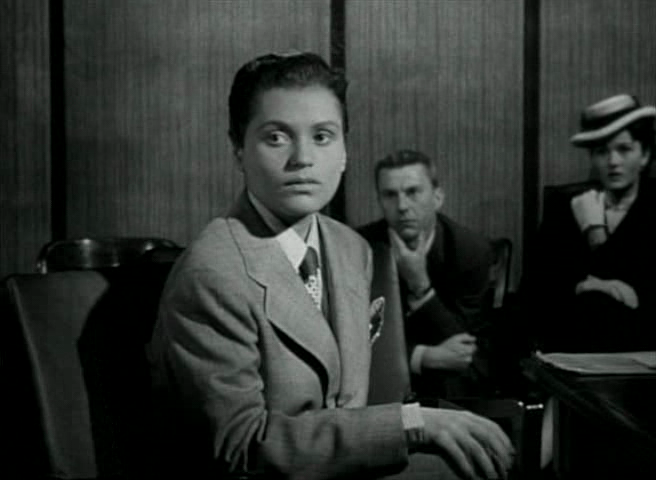
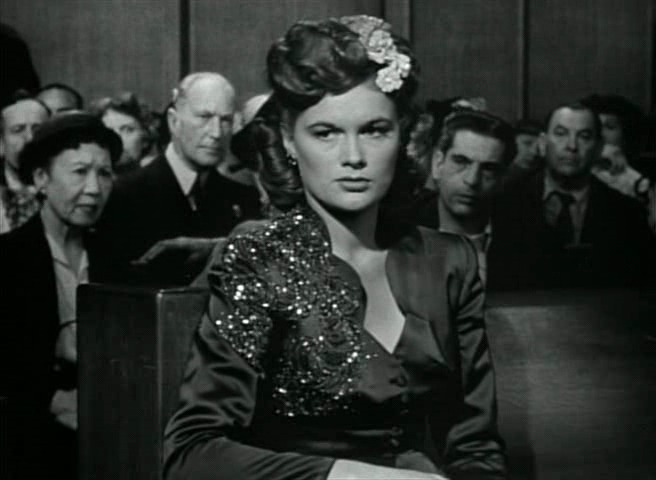
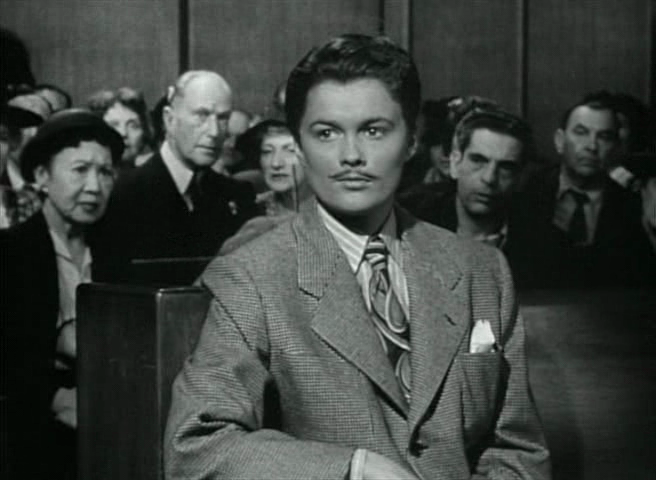
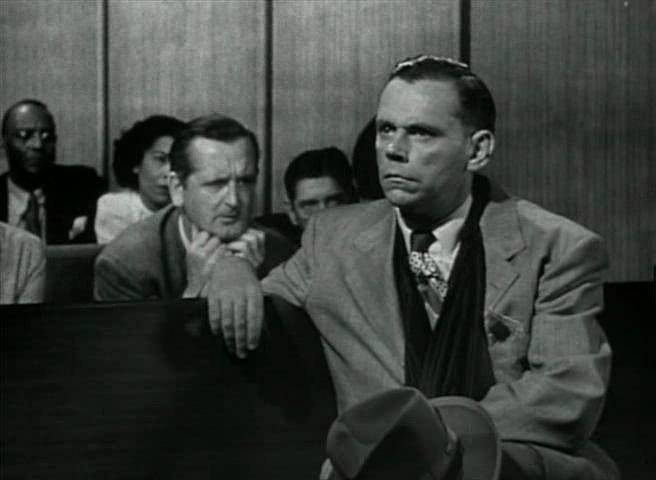
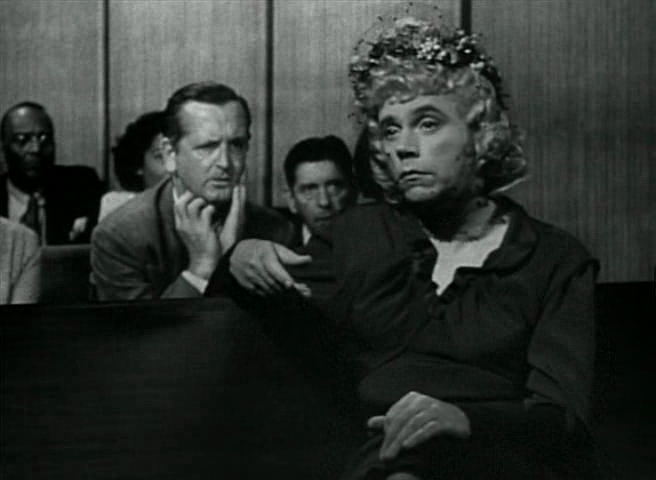
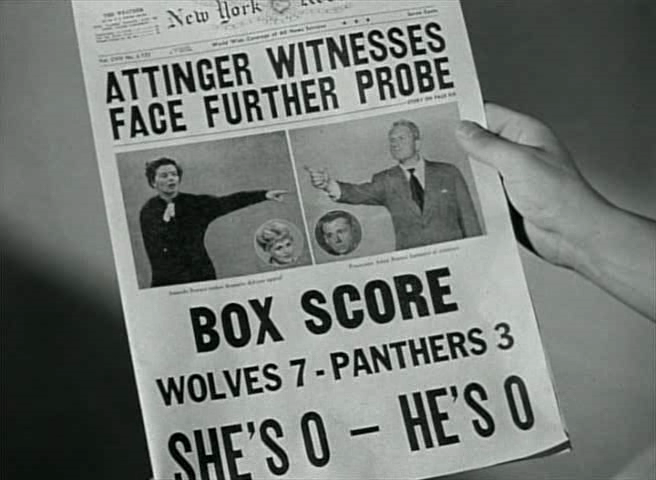
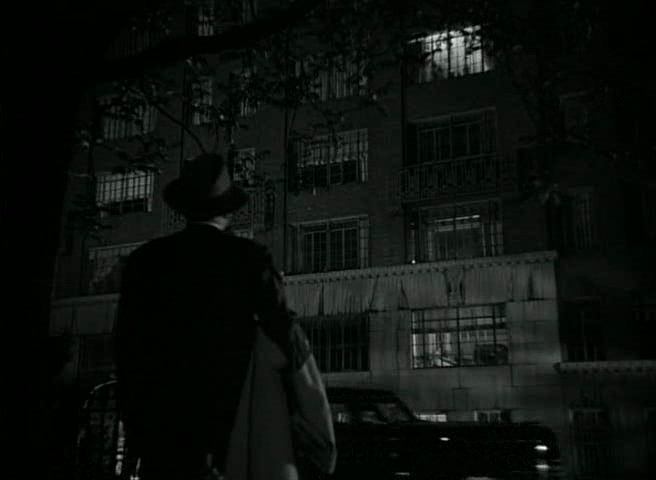
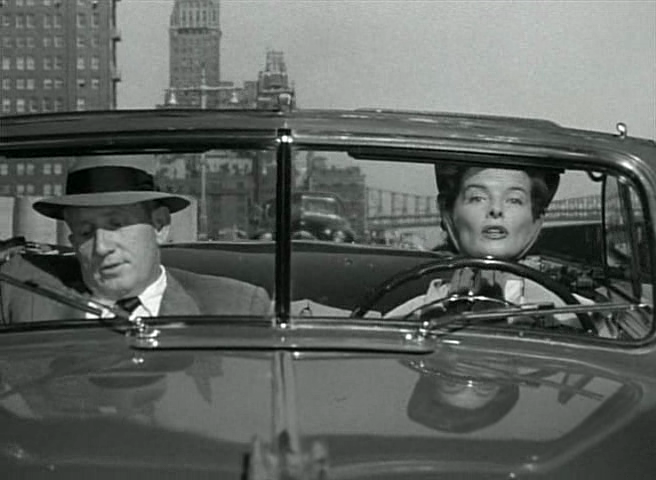
As I mentioned late last night, all kinds of things (ahem, work) got in the way of my Cavell time this week. Last night I proposed we switch it up to a biweekly thing, to give us a pair of weeks to talk about things, but this morning I don't know if even that's feasible. Granted, it's a busy time in the office, but, really, it comes down to this: I don't want this project to be a chore. And what with this year's SFIAAFF coming up, not to mention SFIFF53, I'm going to be a busy lil man. And I want to savor the Cavell. Put otherwise, setting myself this weekly project feels like some kind of self-sabotage in at least two registers and I'd like to avoid both. Thus, to tide us over, I'll live up to one half of this bargin and offer some pictures from George Cukor's Adam's Rib, which I watched before bed last night. What struck me most was not the gender politics front and center, and its concomitant conversation about consent to or dissent from the city, say civilized society, but Cukor's presentational style. Something about the ether about me last night kept getting caught in all those single-take scenes set up not simply as a stage but also as tableaux. Plus, there's those interstitial title cards in one form or another that make the picture less a talkie than a silent, like the film within the film, which brings to mind that boneheaded evasion often associated with rhetorical arts such as "lawyering" or "reporting"—namely, that "it's all rhetoric." Well, duh. It's up to you to assess the argument. When it comes down to it, the problem is simply that most people are poor rhetors when, in fact, we all bear the same duty to be able to make sense of the world. But more about that later. For now, here's some other ideas. And in images!

i.


ii.


—merry mess/messy marriage


iii.


—imagine that


iv.


v.


—imagine what


vi.


—divided, but open

That is, like the slammed door, this scene is never shut off. Well, in the end it is, with the curtains drawn on that bed in the country, in the green world, making sex the final stage or arena—a bed set like a stage, a stage set like a bed, enclosed like a manège or manger, as we see in the short film—where this couple can sort out their final, little difference.

censored

Friday, February 05, 2010

Our City Our Words: Emerson + Philadelphia, or the helpmeet

by Ryland Walker Knight


—Character teaches above our wills

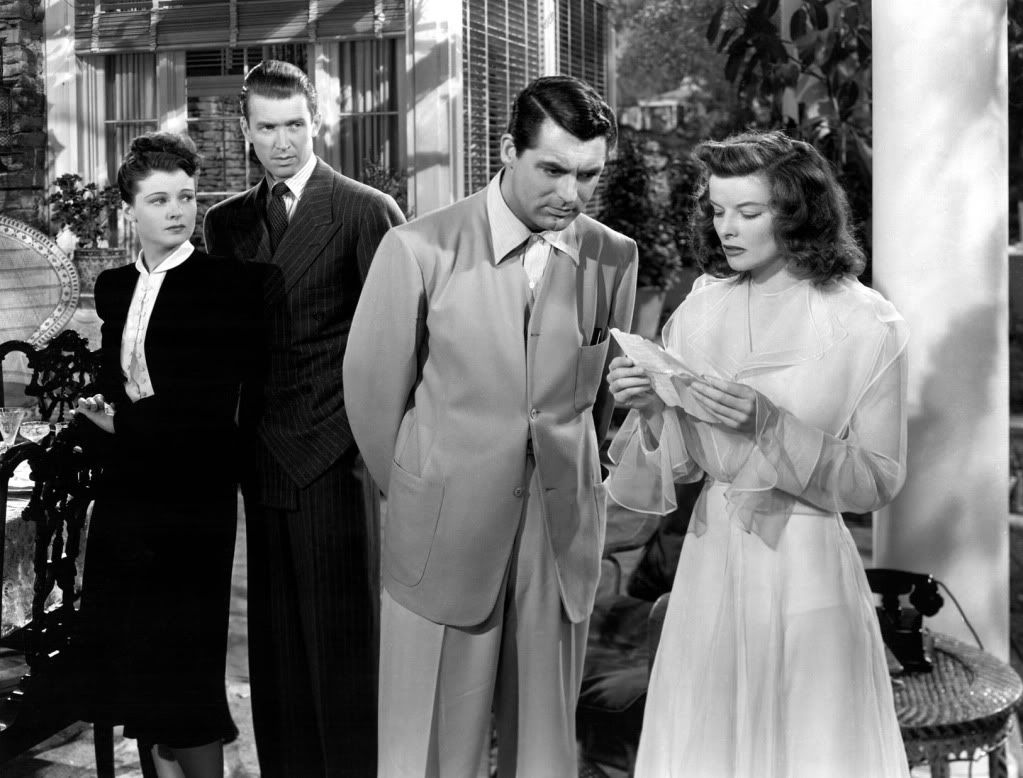
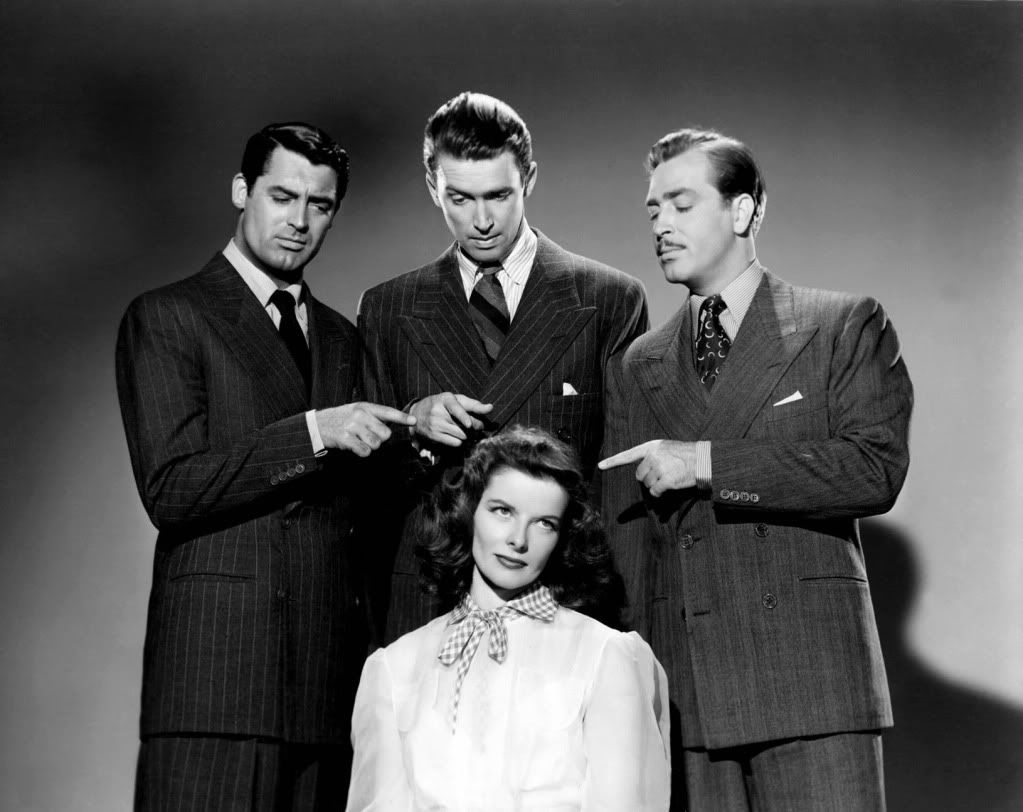
The moral crisis or question highlighted in this week's scenes (chapters, texts) is humility, or learning to be humble, in the face of one's world-life-lover. Put otherwise, at all events these passages enact a humbling, or shaming, as equally as they name such instances so. But Cavell does not argue that we need feel shamed by the genius of another, or our helpmeet, over and over; rather, the shaming scene inspires further communion, deeper conversation. That is, the conversation we enjoy with our respective others, whether in private with a lover or in private with a friend (sometimes the same thing) or in public with either, will be refreshed. There's never a tabula rasa but there is this renewal. (It should be clear I am more talking along the lines of the film under our noses, this Philadelphia Story, and Cavell's coined remarriage comedies, rather than attacking Emerson to start. I think this reversal may make sense as we gambol forth—this is a film blog after all, or before all.) In fact, erasure is exactly the opposite aim of these scenes of humbling. In The Philadelphia Story, the aim is explicitly exposure: Cary Grant's majestic C.K. Dexter Haven tells Katherine Hepburn's imperious Tracy Lord "to get those eyes open." Open, as Cavell puts it, to the fact that Tracy "does not desire what she protests to desire" (42). Here we are to understand perfectionism not just (not ever?) as "Self-Reliance" but also as "self-recognition"—and that such will only ever be instigated by one's interaction with the other. The trick is then to find another who not only inspires such alerts to acknowledgment (instead of aversion) but does it with a sense of humor, one whose sense of you is helpful and, cross your fingers, fun and funny.

We're dealing with a comedy, here, so the helpmeet is necessarily a comic figure. The helpmeet is a friend (that friend) that reflects what we've forgotten or clouded with a grin. Granted, not every helpmeet will wind up a Cary Grant. Not everybody can beam and wink like that guy. These are idols on the screen, not shadows, products of a star system. There is more about Cary Grant in particular in Pursuits of Happiness ("what becomes of this mortal on film?"), and there is more about Katherine Hepburn here, including an aside to acknowledge her "garçonne" quality, which was made explicit in her first onscreen interaction with Grant in Scarlett Sylvia (a not-quite film) wherein she plays a girl dressing/posing as a boy. The focus on Hepburn is apt since the moral crisis of humility is hers to bear throughout The Philadelphia Story. It's up to her to recognize her helpmeet, her Dext, in the noontime bright of day. It's up to her to find a way to feel "like a human, like a human being," as she tells her father before her remarriage. This
perfectionism, like writing, is a personal action/activity and choice.


This notion of the personal, or where we draw that line in praxis, gets at something Cavell spells out later in this book about the audience of philosophy, which I included in the last Conjunction, no.8: in a chapter about Plato, Cavell reiterates his claim "that the only audience of philosophy is one performing it" (331). It's pithy, but huge. In fact, it's been driving a lot of my own curiosities of late. How much am I writing (to say participating in a philosophical and/or critical conversation) strictly with myself? —Far too often, I scare myself. Yet, clearly, a good number of you are willing to arrogate to me and my troubles with words and images. (This is eternally flattering.) This preoccupation with my perhaps-indulgent investment in my own work also seems a marker of my current moods, which Emerson famously says do not believe in each other, during this new era I inhabit; an era that amounts to a terrifically and, I'm understanding, excitingly transitional time in my life. Trust: there's plenty of humility over here.

But to speak of myself isn't simply to speak of myself. It's an invitation, of course, to share my experience and somehow bridge our mutual skepticism of one another's minds. That is, it's a way to get at a universal language. And of course it fails. However, such failure is telling, another instance of education we'd do well to hear and heed.
The idea of "character" in Emerson always (so far as I recall) refers simultaneously to something about the worth and stamp of an individual's (or human group's) difference from others and to the physical traces of writing (or expression more generally). So "Character teaches above our wills" means simultaneously that writing conveys meaning beyond our intention, and quite generally that we express in every gesture more than our will accomplishes or recognizes. (33)
One of the sticking points for our Tracy in The Philadelphia Story is precisely her character. The film investigates her evaluation of her own character, which evolves, prompted by others' evaluation of her character, which, this being a comedy with a satisfying remarriage ending, evolves in its own right. Tracy goes from a series of "dressing downs" (Cavell's characterization of the scenes)—at the words of her ex husband, C.K. Dexter Haven, and subsequently of her father, Seth Lord—to a finale where Dext tells her he'll "risk it" (the remarriage, her new self-regard with those eyes now opened) and where, after she proclaims herself a human after all, her father tells her he feels "proud" (of her, of her changes, of her remarriage, we might say of this entire event, this life).

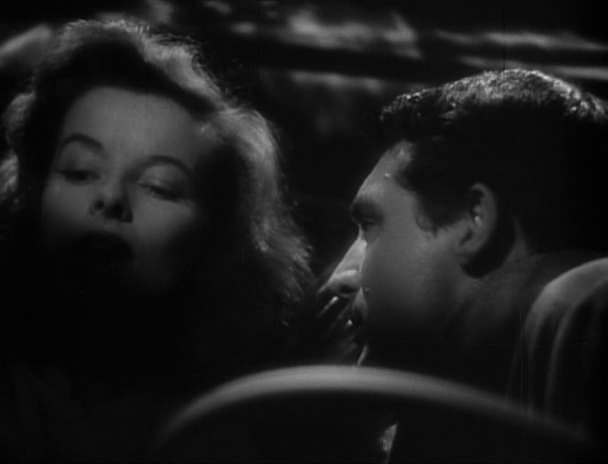
—How? Well, as I said above, it's a process of exposure. The entire film, as predicted by Tracy's little sister, Dinah, is an annulment of its proposed marriage in favor of another, truer union. It's getting Tracy to not just open her eyes but open them on her life and her true desires. That is to say this perfectionist bent is a process of making oneself intelligible both to others and to one's self. Evaluation, here, is premised on a certain pragmatism, not positives and negatives; i.e., what works. And it is work. The joy of The Philadelphia Story is how little work Cary Grant's Haven seems to do, though, as his non-rival George (Tracy's nominal fiancé) says, it certainly seems like he has a hand in every bit. Again, this majestic hands-off quality is a bigger part of Pursuits of Happiness's chapter on the film. But I would like to propose something that Cities of Words does not (or only alludes to) in this chapter: that C.K. Dexter Haven is a Socratic figure. His actions are largely pushing back words, posing questions. His "dressing down" of Tracy is not just scolding her back for being a scold but showing her scold to be such, to be exactly opposite of their purpose together—to help each other. That is, they reach a place where they equally regard one another as their helpmeet. That's Haven's magic: he offers a safety net, in a sense, as his name can signify, simply by reminding her that she's open with him for a reason. She brings her confession to him, not George, and her humility of imagined transgressions with Mike (the herein under-appreciated Jimmy Stewart) from the night before is proof he is not the one for her. Only Dext sits there, half-lit in the car, to tell her she's beautiful; she only hears him; and it's tribute to Hepburn that we see this at that moment. Her character, as an actress, is without reproach, a true equal for Grant, as it should be. For that's part of the satisfaction of many of these remarriage comedies: to see two beautiful people fulfill one another's promise of a life left open to what lies ahead. Who doesn't want that?


—e.g., look at their clothes

[You will no doubt excuse my tardiness with this post, I trust, as you will no doubt understand that obligations such as employment, a dog and some involved dinners both accompanied and alone (to say nothing of headaches) got in the way of its final composition. However, given the toll that Lost seems to take (though, truth be told, I'm doing my best to spend no more than a half-hour on those bits of folly), I think it might prove beneficial to me if we agree to convene for Cavell on Fridays such as today.]

[Next week: Locke + Adam's Rib, or consent]

Saturday, January 30, 2010

Our City Our Words: Calling all corners

by Ryland Walker Knight


—Get your own copy all beat up

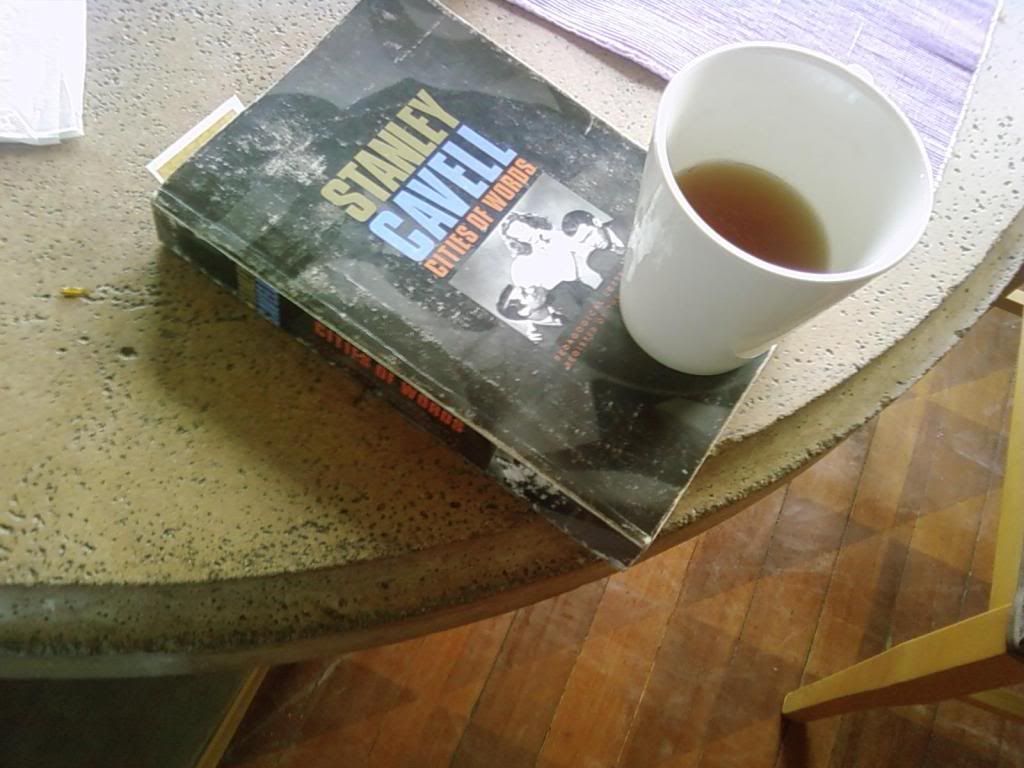
Here's a final reminder and syllabus, of sorts, or at the very least a notice, about my proposed group reading of Stanley Cavell's Cities of Words. I expect the weekly series to be a Thursday feature and, given the roll out these daze at home base, these posts will largely sit atop the vertical all weekend until the viewing log Sunday night. That gives us plenty of time to trade some ideas, if you decide to play this game with me. This will also, I hope, attract eyes away from the weekly Lost posts I plan to take on, though I'm not sure if they'll be recaps or idea strings or images grabbed off the television or what; chances are it'll be a goof, like the show, and, like anything on this blog, it'll just be designed to make me laugh. But that's not why we're here, in this post, today.

Today I'd like to talk Cavell, having re-read the preface and the introduction, as my own preface/introduction to why I chose this book and why I chose it now. My favorite beginning begins so: reading Cavell makes me feel good; plain and simple, as I tumble through his sentences, I can feel my face widen. Of course, it's never so plain nor so simple as that. There's a lot loaded into this pleasure. At this stage in the game, my mind is directed towards this text through too many lenses to filter in words without wasting everybody's time. But, largely, I'll say that though plenty of this pleasure is at the level of the prose, sure, it's the very idea of such writing that gets me going; the audacity, what Cavell might call the arrogance, of philosophy and its aim to speak for so much, so many, is never just "admirable" in its seriousness but hilarious in its ludicrousness. (Bloggers are a joke for a reason, but it should be admitted, as ever with human expression, some blog corners do yield fruitful thoughts.) Cavell, however, doesn't pitch modest to counteract any of that; nor does he pitch pompous. Rather, as a thinker invested in thinking about talking, about conversation, his words are largely conversational. Thus they meander, ambling around ideas as much as burrowing into them—but over all we get the sense that Cavell has covered every inch of an idea, explored the entire plot of it, or at least been curious enough to scour around as long as he can.

Philosophy can be easily debased, as Cavell argues, as the indulgence of idle minds prone as they are to returning to a text or to an idea. And, no doubt, it takes a certain life to support such a style, such a mode—such a pursuit. I, for one, understand that despite any complaints I may harbor (what twenty-something doesn't gripe? who hasn't been shit on at least once?), I lead a charmed life. I'm never hungry and I live in a world class metropolis. I work every day, I walk a dog every day, I have the luxury of a spice rack, I even find time to blog. (That is, I make the time.) And here I am, making time to go over a book I've already read at least twice all the way through not to mention any stray dips into its trough since 2007. Because I can, yes, but also because I think it will help me with a number of thoughts about things I love to think about, and need to rethink, here and now. I'm terrifically flattered that some of you readers out there are, indeed, planning on joining me as I go through these ideas in public. Put otherwise, I look forward to learning things from you, and about you, as this silly some-kind-of syllabus progresses. However, despite my interest in philosophy's therapeutic angle, I'll try not to bore you all too-too much with me. There's plenty of particulars in the text, and in the films.


—First up, her. And them.

For instance, now it should be no secret where I got the inspiration for my A Conjunction of Quotation series. I adore the idea of an epigram mix tape as imagined by Cavell here. I'm sure others have told similar stories elsewhere, but I first saw this construct here (and in the opening to Pursuits of Happiness). I just hope my attempts don't belittle the form; I certainly don't propose to claim it for my own.

For another, the exploration of "perfectionism" gets at the heart of this project: I'm not trying to master the text by any stretch. Rather, I'm just trying to understand it better. And I want to do that because I think it will help me live better. I want to answer the voices of my mind with more than a shrug or a to-do list; I hear their call of disappointment just like anybody else; I know I can find my words and actions with less head and heart aches. What's most curious about a project such as this, or such as a classroom, is located precisely in Cavell's first epigram from Emerson: "I know the world I converse with in the cities is not the world I think." Because what does calling for fellow autodidact "pedants" to join my pastime mean but an attempt to bridge, possibly even erase, that gap? (Related, broader: what's this impulse to blog? We all have a voice, and a life. Is it refuge? Or is it passion? Fuck shame: I will cop to both.) This idea starts another line of thought, though, which we will undoubtedly return to as we move forward with Cavell: skepticism, other minds, and how transparent can or should we be or get?

This line is the focus of The Claim of Reason, which was culled from Cavell's dissertation. One of the problems you might encounter reading Cities of Words, if this is your first Cavell, is that it's almost a summation book. Everything is bound up in his long life of thought. It reads richer the more you read by him. However, that should not dissuade you. His sentences may frustrate you from time to time and it may be easy to tune out and let your mind wander but every now and again I guarantee there will be a sentence that drops your jaw with its insightful redescription of an event in a film, or a line of a text. So, as he says/writes, read fast and slow and hopefully you'll have some fun with it. After all, for any selfish reasons behind a blog such as mine, and a project such as this, the guiding impetus is to inspire further curiosity. I hope you seek out the films, and the book, and other books that have inspired this effort at charity (on my part, on Cavell's part, on your part). Put otherwise, let's build something big. You know, expand our horizons. You know, for fun.

If you have already read the introduction, feel free to drop any ideas you have looking ahead in the comments. I'll be more than happy to trade topics. If not, no biggie! I'll see you back here next Thursday, the 4th, to continue this conversation. Until then, try to get outside.

Alamo squareset